

 By amber@cossni.com
Custom Leather Wallets: A Private Label & OEM Guide for Brands and Wholesalers
For a brand or wholesaler, custom leather wallets are one of the lowest-cost ways to build a product line under your own name. You need no injection-mold tooling, and the designs are compact enough to sample quickly. A wallet is a product customers carry every day. That means your logo travels with them. The catch is that most of the risk sits in the details. A vague brief, an unapproved sample, or a lead time misread can quietly eat your margin. That margin is what made the project attractive in the first place.
This guide walks the full chain. You will see what you can customize, how the OEM process works, and the MOQ, pricing and lead times to expect before your first order.
Why Brands Choose Custom Leather Wallets
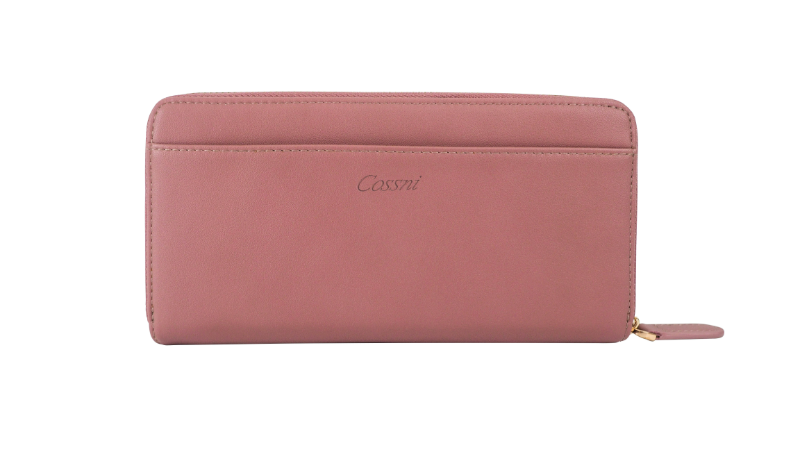
The decision usually comes down to one uncomfortable question: how do you stop competing on someone else’s product? For brands looking to build a recognizable accessories line, custom leather wallets offer more control over product design, branding, pricing, and long-term product consistency.
Private Label vs Stock: The Business Case
Private label gives brands more control over product identity, positioning, and repeat orders. Here is how it compares with buying stock wallets.
| Comparison Factor | Stock Wallets | Custom Private Label Wallets |
|---|---|---|
| ブランディング | Generic designs with limited branding options | Custom logos, 色, materials, and specifications |
| Market Competition | Compete with other sellers offering similar products | Build a differentiated product under your own brand |
| Pricing Control | Limited room for product differentiation | More flexibility in product positioning and pricing |
| Product Consistency | Depend on supplier stock and availability | Repeat orders based on approved specifications |
| Brand Development | Limited contribution to brand identity | Supports a consistent accessories collection |
Common Brand Use Cases
Custom leather wallets serve different business models, from established fashion labels to startups testing their first accessories collection. Their purchasing priorities vary by brand type.
| Brand Type | Typical Application | Key Purchasing Priorities |
|---|---|---|
| Fashion & Menswear Brands | Build a matching accessories collection | Design consistency, leather quality, and brand identity |
| Ecommerce Sellers | Launch a featured product, especially for Q4 sales | Product differentiation, manageable MOQ, and retail pricing |
| 小売業者 | Add an own-brand wallet range alongside branded products | Shelf differentiation, packaging, and profit margins |
| スタートアップ | Test an initial wallet collection with limited styles and colors | 低MOQ, sample approval, and production costs |
| Corporate Buyers | Order branded wallets for client gifts or employee programs | Logo customization, bulk pricing, and presentation |
Regardless of the buyer type, a successful OEM project starts with a clear product specification, a pre-production sample, and an approved bulk order. For startups, this often means launching one wallet style in two or three colors. A low MOQ and a detailed specification sheet help keep the first production run manageable.
Start Your Custom Leather Wallet Project
What You Can Customize: A Full Options List
Customization is not a single decision but a stack of them, and each layer changes cost, durability and perceived value.
Logo Application: デボス加工, Foil Stamping and Metal Plates
Debossing presses your logo into the leather without ink. It is subtle, durable and ideal for minimalist brands. Foil stamping adds a gold, silver or colored metallic layer, the classic choice for premium packaging and gift lines. Metal plates give a hardware-level statement and suit luxury positioning. Screen printing handles larger, colorful logos on budget materials. Each method has different tooling cost and durability. A good factory will recommend the right one for your material rather than simply accepting whatever you ask for.
| Logo Method | How It Works | Best For |
|---|---|---|
| デボス加工 | Logo pressed into the leather without ink | Minimalist and everyday-carry brands |
| Foil Stamping | Metallic gold, silver, or colored foil applied using heat and pressure | Premium and gift-oriented lines |
| 金属板 | A custom logo plate attached to the leather surface | Luxury positioning and statement branding |
| Screen Printing | Ink printed onto the surface, allowing full-color designs | Colorful logos and budget-friendly materials |
材料, Colors and Linings
Choose the shell from full-grain or top-grain leather, GRS認証を取得したリサイクルレザー, or cost-performance PU and microfiber. Pick the lining from velvet, suede, microfiber or satin. For hardware, choose from gold, silver, gunmetal or matte black. Pantone matching means your wallet can match your brand color exactly. It can also be re-matched consistently on reorders. That matters more than the first match: retail customers notice when batch two arrives a shade off batch one. A stable material library is what makes small follow-up orders cheap. The more your reorders reuse the same leather, lining and hardware, the faster they move through the factory.
Packaging and Presentation Options
The unboxing is part of the product. Gift boxes, dust bags, tissue and hang tags can all carry your branding. The packaging tier should match your retail price point. A premium wallet in a plastic sleeve undercuts the price you are charging. Specify packaging in the same spec sheet as the wallet itself. It affects unit cost and lead time. Packaging ordered as an afterthought is how brands end up with boxes that arrive three weeks after the wallets. A practical sequence: lock the wallet spec first, then the packaging tier, then the logo method. Keep that order. Packaging must fit the wallet’s folded dimensions, and the logo must suit the material you chose.
The OEM Process Step by Step
Every OEM project runs the same sequence, and knowing it in advance is what keeps a six-week project from becoming a six-month one.
From Design Brief to First Draft
You send sketches, reference photos or a full tech pack; the factory returns a design draft with materials, dimensions and construction notes. At Cossni this first draft takes 1–3 days. Expect one or two clarification rounds. A good factory asks questions at this stage precisely so the sample does not surprise you later. Treat a factory that asks nothing as a warning: either it has not read your brief, or it plans to improvise on your budget.
Sampling and Pre-Production Approval
The pre-production sample is the contract: approve it, and bulk production must match it. Our samples ship in 7–10 days. Revision rounds have defined turnarounds, so feedback never disappears into a queue. Do not skip this step to save time. The sample is where you catch stitch density, edge paint and logo placement issues. They cost nothing to fix now and a fortune to fix in bulk. Approved samples are also kept on file as the reference standard for every future reorder. Two more artifacts complete the pre-production stage. First, a color standard: the approved Pantone or swatch. Second, a written pre-production note recording any deviations from the original brief. Nothing decided during sampling is left to memory.
MOQ, Pricing and Lead Times Explained
Three numbers decide whether a custom wallet project works on paper: the minimum, the price, and the clock.
How MOQ Works for Custom Wallets
MOQ exists because cutting, logo tooling, color matching and line setup carry fixed costs that must be spread across the run. A custom leather wallet project at Cossni starts at 100 pieces. Per-unit price steps down as quantity rises, and stock styles can go lower. If a supplier offers no MOQ at all on a fully custom design, check who you are talking to. You may be dealing with a middleman adding his own margin. The honest way to read MOQ is as the factory showing you where its economics begin. Above the MOQ, pricing normally steps down in tiers as quantities rise. The same setup is spread thinner. Ask for the tier table early. It determines whether a slightly bigger first order pays for itself.
Production and Shipping Timeline
After sample approval, bulk production takes 30–45 days; add shipping time to your market. That means a Q4 launch needs a sample approved by late summer. A February event brief should land before the holidays. We state the timeline in writing on the quotation. We also keep your patterns, logo tooling and material records on file. That way reorders start faster than first orders. Shipping mode (air, sea or courier) is quoted separately and chosen against your launch date, not your convenience. Work backward from the shelf date. A buyer aiming for a November shelf plans design in late July. Sample approval follows in August, with bulk production through September and October. The final weeks go to freight and customs.
Quality Control and Certifications: What to Verify
Under your own brand name, the factory’s quality system is the only quality system your customers will ever experience.
QC Checks at Every Stage
Ask how many inspection gates a custom leather wallet passes. Ours are checked in-line at cutting, stitching and assembly. Then every wallet receives a 100% final inspection against the approved sample before packing. The approved sample is the reference. Every bulk piece is compared to it, not to the factory’s memory. If your private label order will be resold under your brand, the factory’s QC is your QC. Ask about it before the order, not after the returns start. A serious factory also keeps batch records: materials, stitching lines, inspection results. If an issue ever appears in the field, the root cause can be traced to the batch rather than guessed.
Certifications That Matter: BSCI, ISO 9001, GRS
BSCI documents social compliance in the workplace. ISO 9001 covers the quality management system. GRS certifies the recycled content in your materials, essential if you market an eco line. Cossni holds all three and supplies the documents as part of onboarding. Your retail partners can then audit the chain quickly. For brands selling through marketplaces or retail chains, certification documents decide the outcome. They are the difference between a listing approval and a stalled vendor onboarding. Ask for copies during sampling rather than at the end. Receiving certificates early lets your compliance review run in parallel with production instead of after it.
How to Start a Custom Wallet Project
The difference between a project that starts in days and one that stalls for weeks is almost never the factory. It is the preparation the buyer brings to the first email.
Prepare three things before you inquire. First, a design brief with sketches, reference photos or a tech pack. Second, a target quantity and budget. Third, a timeline worked backward from your launch or event date. Send them together and a factory can respond with a realistic quote and sampling date in the first reply. Skip any of the three and the conversation opens with questions instead of momentum. You will answer them eventually, just more slowly and through a longer inbox thread. When the quote arrives, compare it against the same three items you sent. If it ignores your budget or quietly changes the spec, ask why. The clarification call is free; the misbuild is not. For an introduction to how we handle customization そして OEM/ODM projects, contact us with your brief. You can also browse our wallet styles as starting points.
Final Thoughts
Custom leather wallets reward the buyers who control the process. That means written specs, one approved sample, documented lead times, and a factory that can prove its QC. Before you inquire, prepare the three things a factory actually needs. Send a design brief with sketches or reference photos, a target quantity and budget, and a timeline worked backward from your launch date.
Send them together and a serious factory responds with a realistic quote and sampling date in the first reply. コッスニに連絡する with your brief and we will return a quote and sampling timeline, usually within one working day.
FAQ
What is the minimum order quantity for custom wallets?
At Cossni, custom leather wallet projects start at a 100-piece MOQ; stock designs can start lower. MOQ is driven by fixed setup costs such as cutting dies and logo tooling, so higher quantities also mean a lower per-unit price.
How long does sampling take?
Design drafts take 1–3 days and a pre-production sample ships in 7–10 days. Bulk production follows sample approval with a 30–45 day lead time.
Can you match my Pantone color?
はい. We match shell and lining colors to Pantone references and keep the formula on file so your reorders stay consistent.
Do you ship worldwide?
はい, Cossni exports worldwide, with freight arranged per your terms (air, sea or courier). Shipping cost and transit time are quoted separately from production.


